


FAMILY OWNED. CERTIFIED ORGANIC.
Delicious wine starts in the vineyard
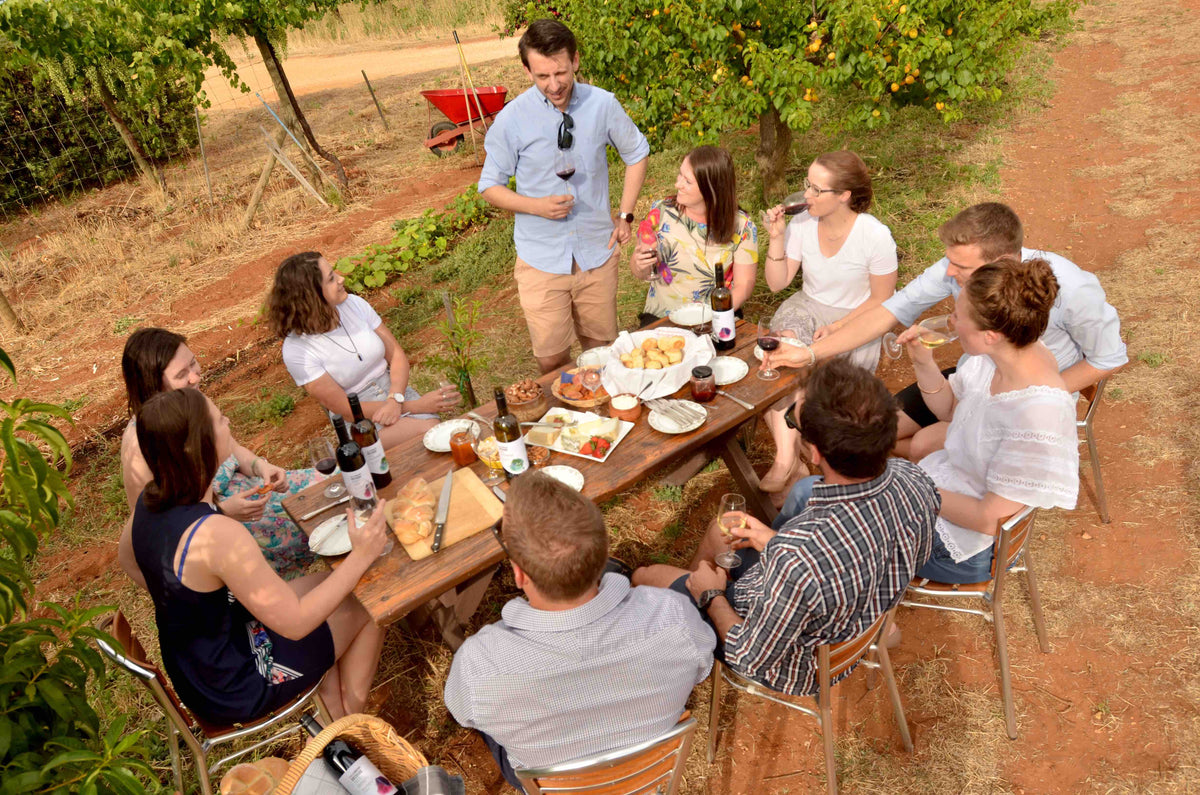
The warm, sunny climate of South Australia's Riverland is perfect for growing Mediterranean grape varieties kissed by the southern skies. Our two Riverland vineyards are certified organic, resulting in delicious wines with great purity of flavour. Organic practices aim to preserve soil, water and biodiversity and increase vine resilience. The best wine starts with healthy grapes, handled with respect by a skilled winemaker and shared on a table with friends.
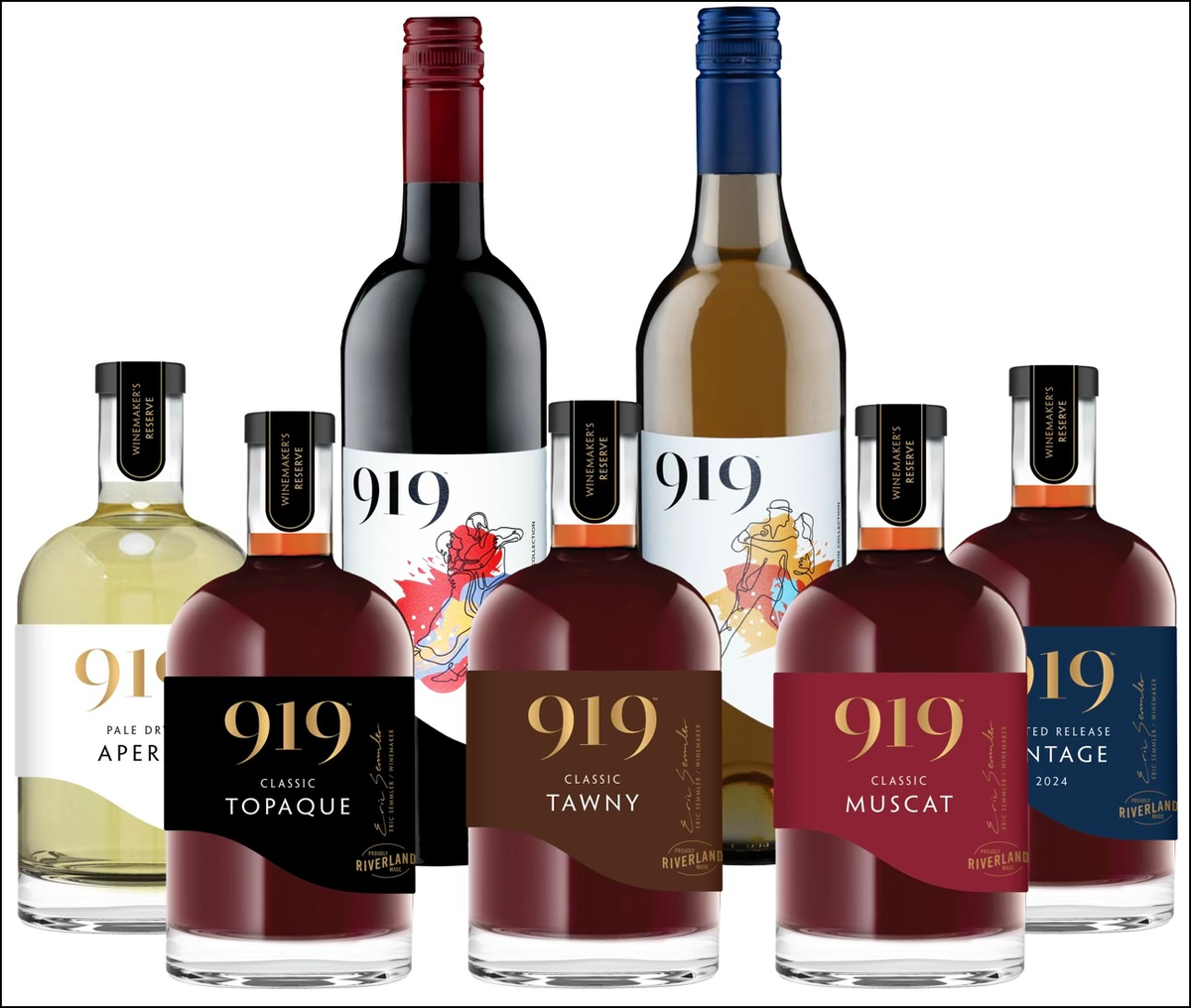
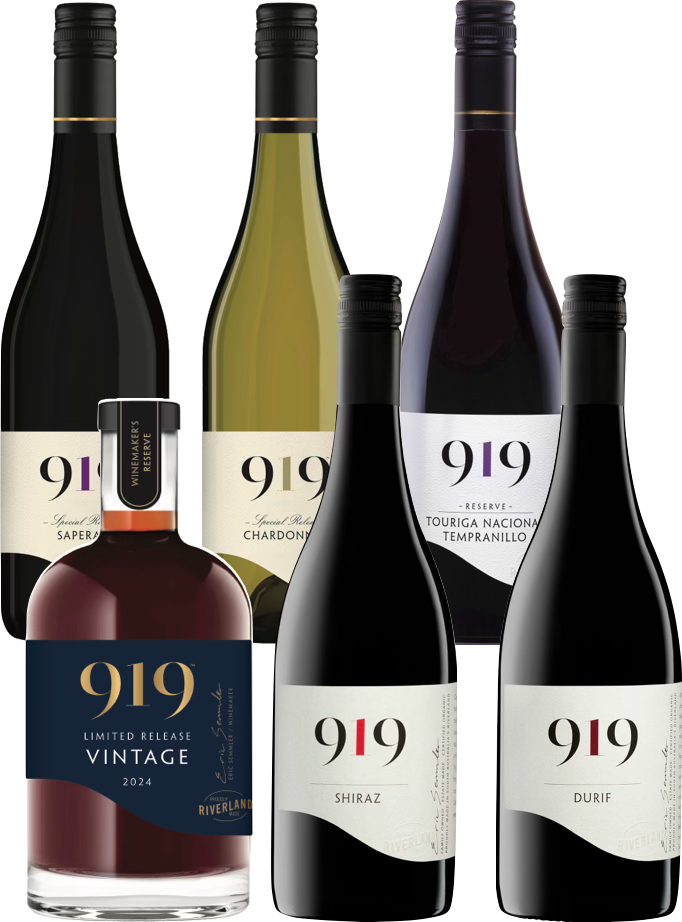
Explore our wines
Visit our cellar door
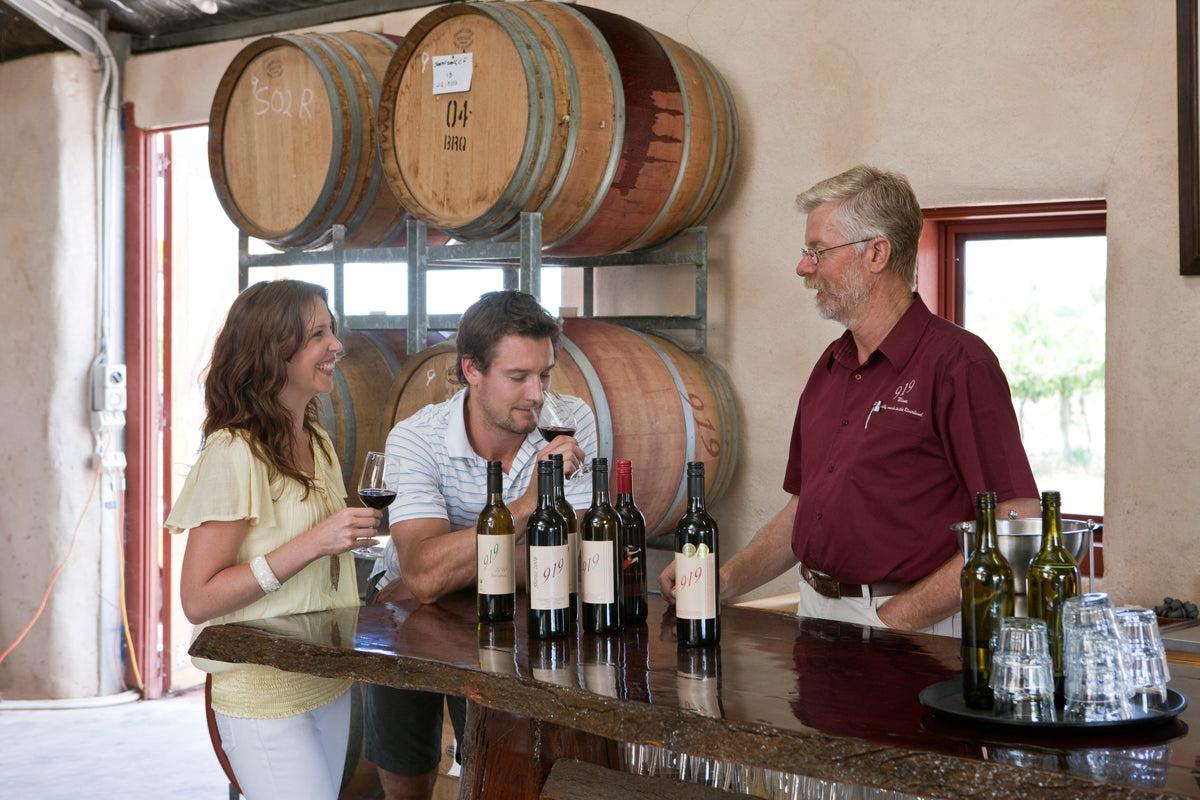
Located in the heart of the Riverland, a 5 minute drive from the river township of Berri or the Monash Playground, our cellar door is open five days a week. Glossop is situated on the Sturt Highway, the major route between Sydney and Adelaide, approximately 30km from the border with Victoria and New South Wales. At just 2 ½ hours from Adelaide or 1 ½ hours from Mildura, the Riverland is close enough for a day trip.
Modern wines created with heritage techniques
Our grapes are harvested when full flavour has developed and crushed without delay to preserve the fresh fruit flavours. Gentle handling and skilful winemaking ensure that the fruit is transformed into delicious table wine that is fresh, inviting and displays true varietal characters. Our fortified wines are gently matured for many years before being artfully blended into luxurious and complex styles where every sip is a taste of history.
Specialist fortified winemakers
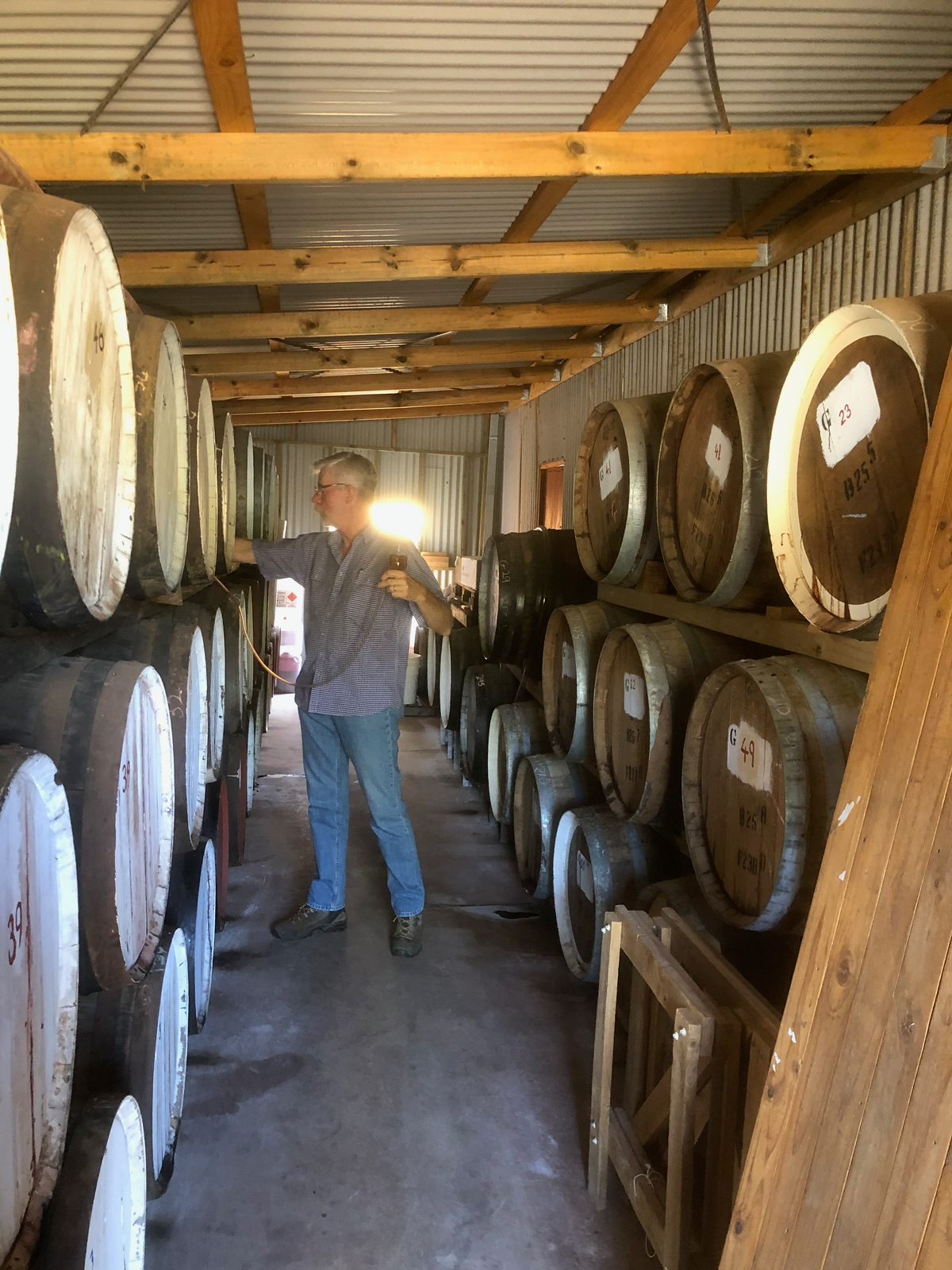
Fortified winemaking is a rare skill, requiring deep knowledge of suitable grape varieties and specialist winemaking techniques. The best fortified wines are blended by artists, resulting in lingering memories of exquisite enjoyment.
We have been laying down quality fortified wines for maturation since our first vintage, with a vision to create the best Australian examples of these styles. Our Chief Winemaker Eric Semmler is recognised as one of the foremost fortified winemakers in the country.
The road less travelled
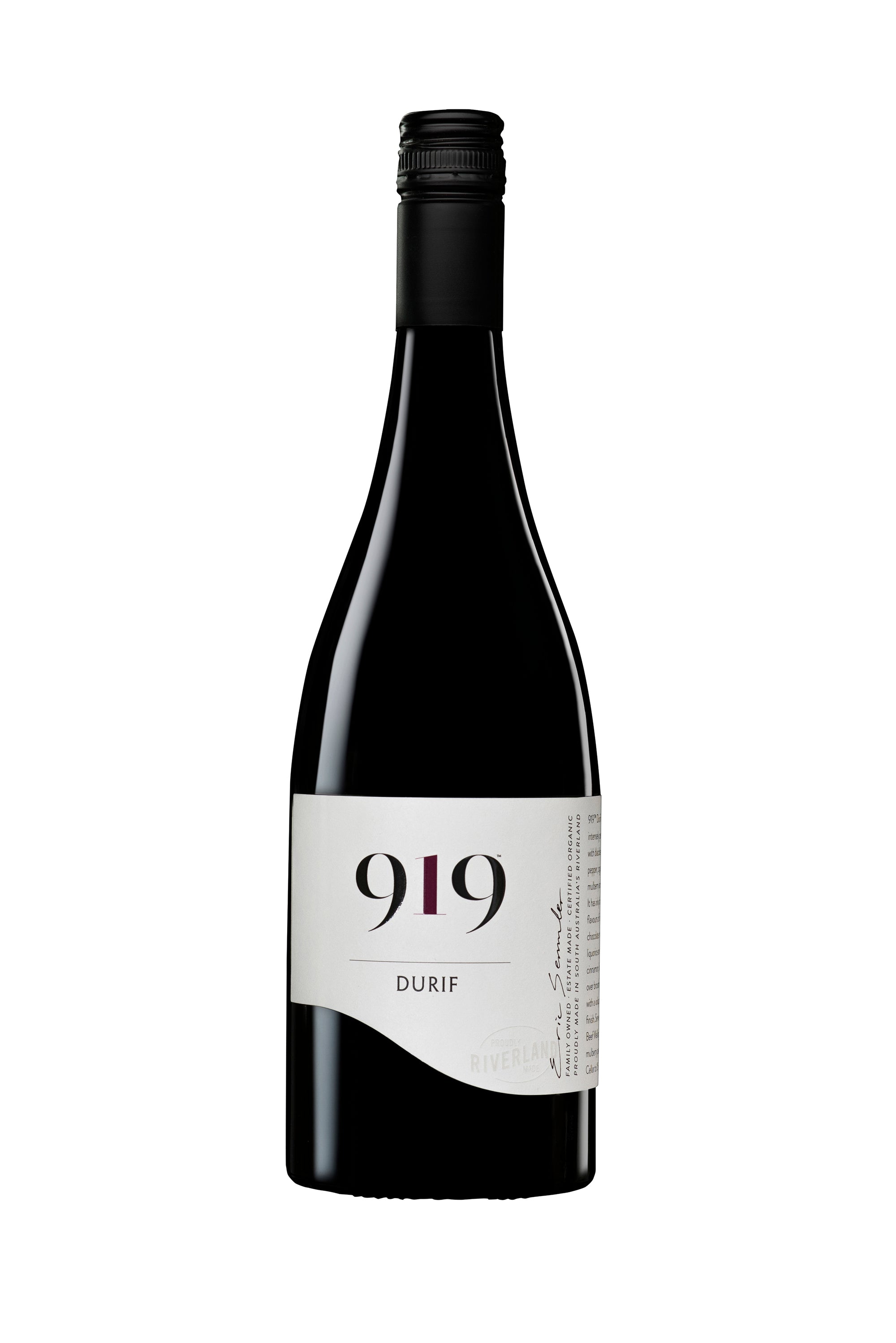
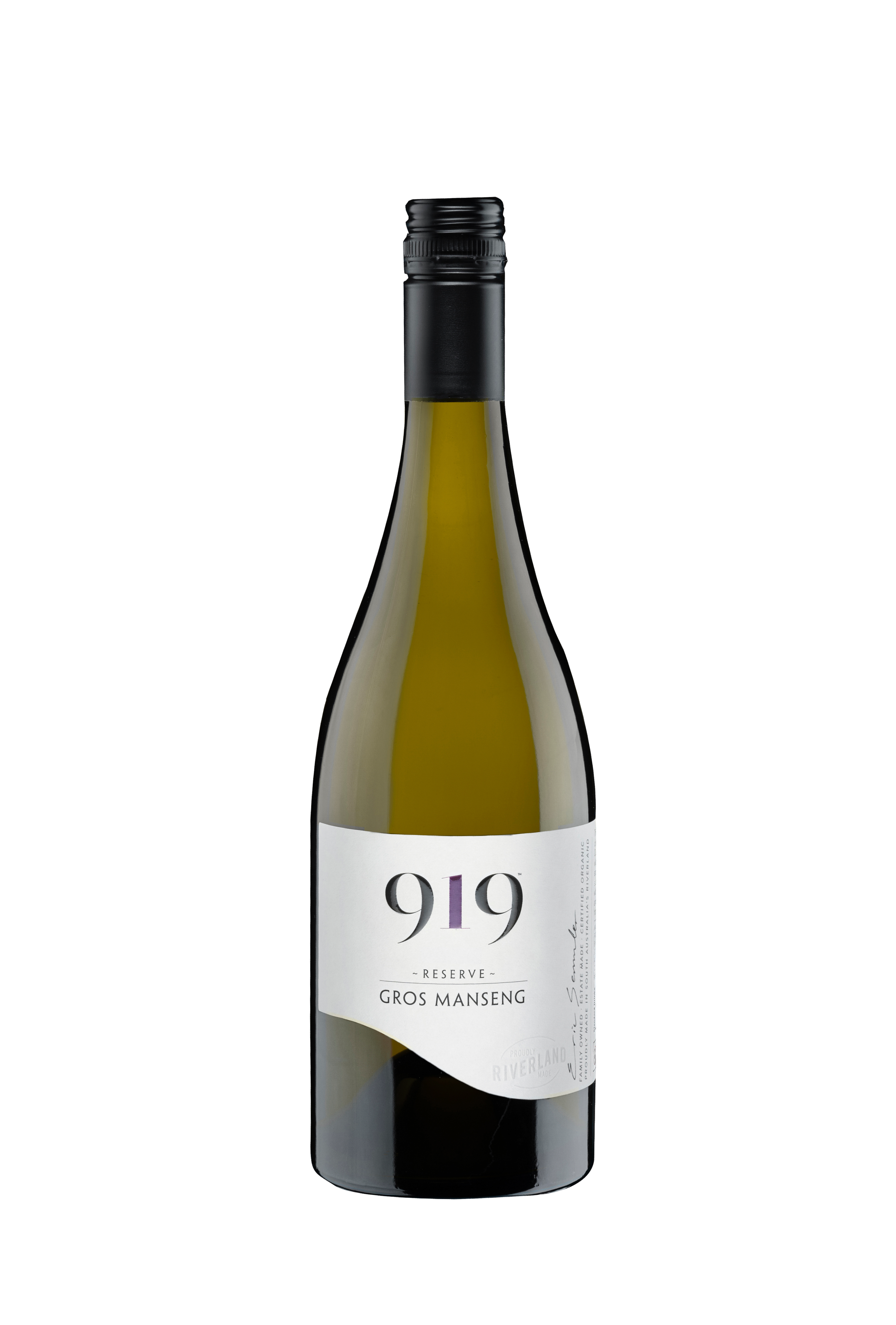
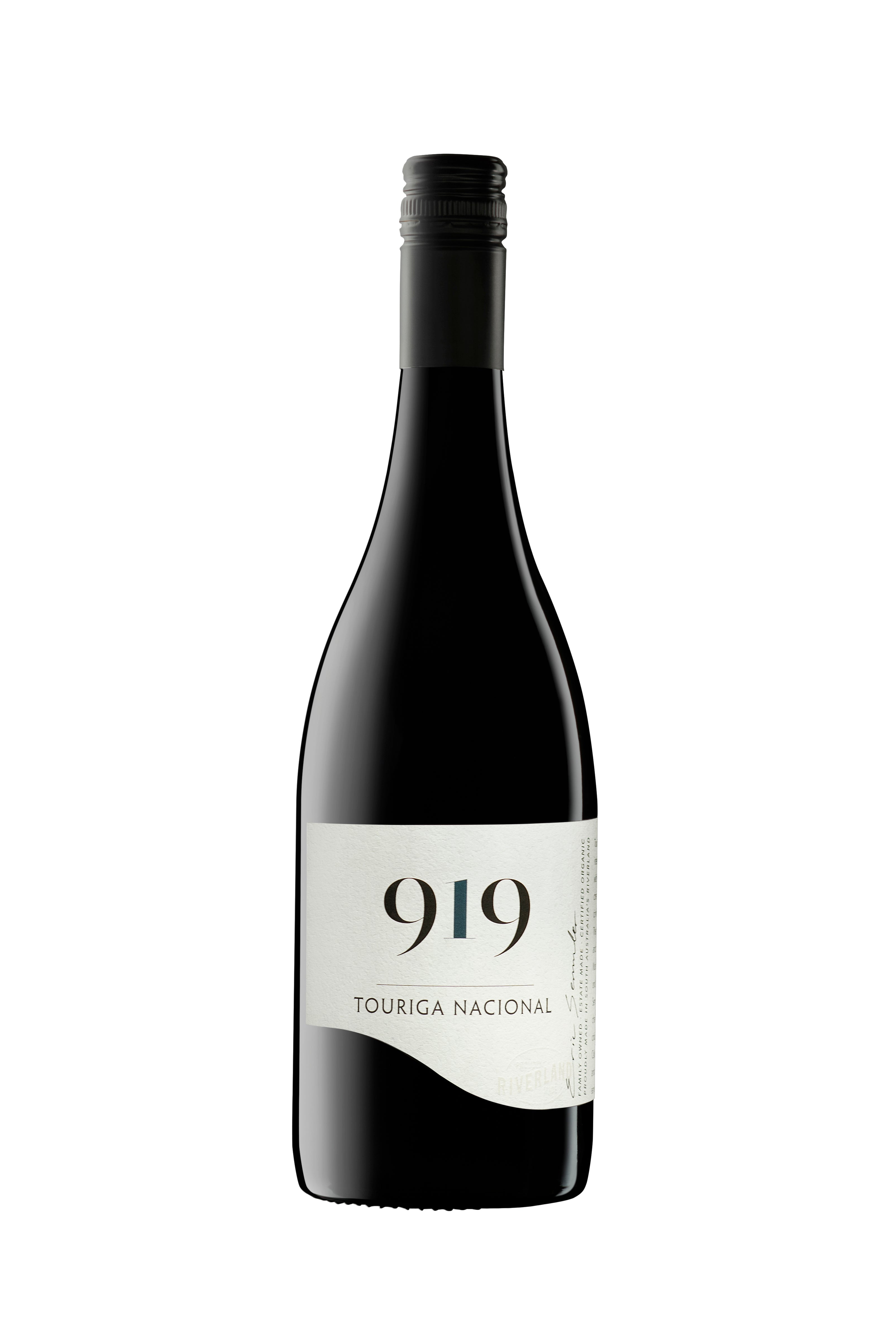
Discover something exciting that will awaken your senses! Our most exciting wines are from the road less travelled. Think Durif, Gros Manseng, Pale Dry Apera and Touriga Nacional. We were pioneers of these varieties, breaking away from the traditions of Chardonnay and Shiraz and honing our expertise vintage by vintage.
Don't want a whole case of the same wine?
Custom make your own mixed case
Select individual bottles to add to your personalised mixed case of 6 or 12. The case discount is automatically applied at the checkout.
Made by people
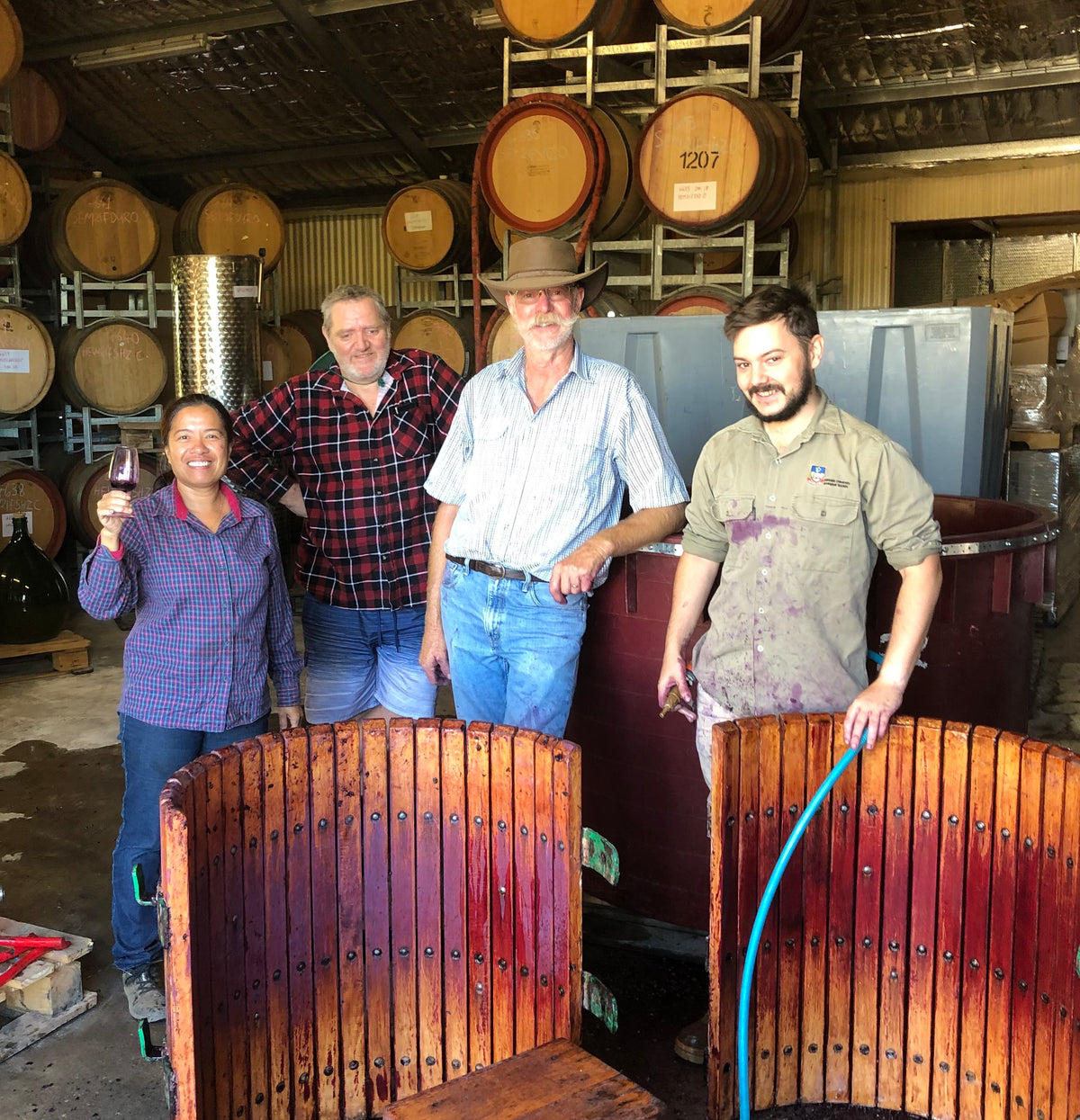
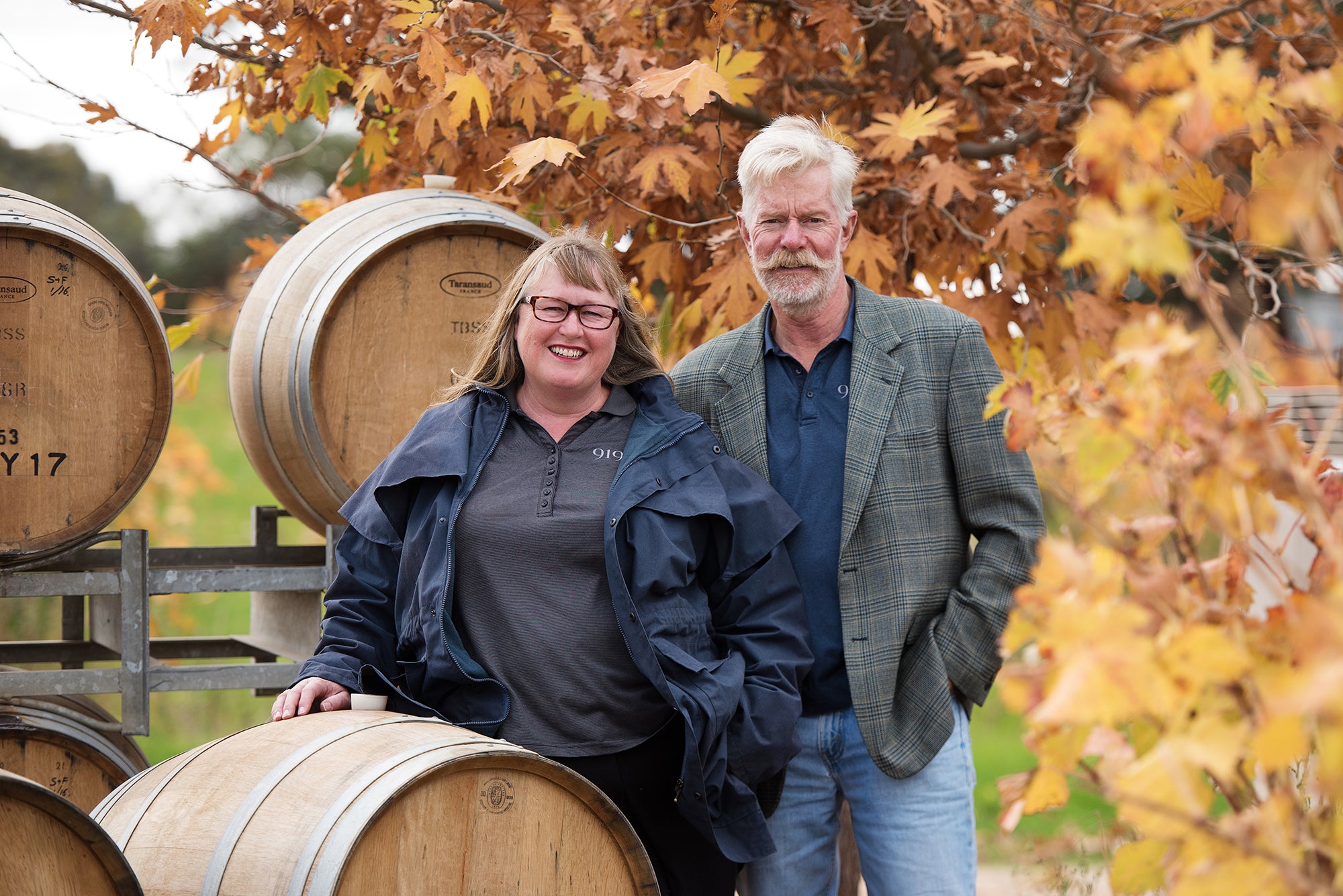
Winemaking is messy, exciting and exhausting at times, with activities that change with the season, but every bottle has been produced through the dedication and care of our team. In a world of impersonal big brands, our tiny team headed by Jenny and Eric Semmler has the human touch that prunes the vines, crushes the grapes and bottles the wine. Every sip is a gift from our team to you.
The richest stories take years to pour
We imagined...
We imagined making wines that put the Riverland on the world stage. These wines would be exciting, unique and memorable, using low-impact organic farming and minimal winemaking techniques, respecting the land and water as our most precious resources.
With roots deep in the soil...
We turned our eyes to the old world and imagined their noble grape varieties in our vineyard. The warm and sunny climate of the Iberian Peninsula and Mediterranean mirrors the climate in our region. Our first vines were planted in 2002. Coaxed by the turning seasons, the vines laced the timber trellis, bearing fruit each with distinct varietal character - the savoury strawberry notes of Sangiovese, the sweet and sour cherry notes of Touriga Nacional and the dense mulberry chocolate flavours of Durif. Pruned, tended and harvested by hand, the vineyard is a love story between the winemaker and the earth.
The beating heart of our wines
As the vines grew and strengthened, so did 919 Wines. We began side by side, just two of us, hands in the earth and hearts in the craft. Today, we guide a thriving, diverse team. Eric, our Chief Winemaker, leads the vineyard and cellar, with Seamus Donaghey our talented assistant winemaker lending his steady hand. Jenny leads the cellar door, where a team chosen for their warmth and love of wine greets every guest with a smile.
Across the Murray River at Loxton we purchased another vineyard, now named for Eric’s mother, Ella Semmler. From these vines flow wines that are bright, generous, and pure—echoes of the orchard bounty she once tended. Each bottle carries a whisper of her legacy.
The Murray River lies at the heart of our region and our wines. The lively, fruit-driven wines from Loxton now sit alongside our heritage styles from the original 919 vineyard in Glossop.
Time in a bottle
The winemaker’s craft is a blend of artistry and science, a process taking time and patience. An intimate understanding of the vines and the seasons helps the us harvest the crop at the perfect time. The wines produced are sometimes bold, sometimes shy, but we ensure that each wine speaks with its individual character, true to the variety and the vintage.
Our winemaking team has over 60 years experience between them, with wines and blend components laid down since the turn of the century. Every barrel in the cellar holds more than vintage; it preserves the laughter, the echoes of difficult years, and the triumphs of favourable seasons. These memories are crafted by the specialist skills of our winemaking team so each bottle speaks of the history of the vintage and captures the essence of a moment in time.
We celebrate together
We have taken time to celebrate during our winemaking journey. We have celebrated the awards and the accolades, the completion of each vintage and the start of new ventures. We have celebrated the milestones of families and friends: the marriages, achievements, holidays and new jobs.
Every bottle opened is shared in laughter and tasted with pleasure. The heady aromas release joyful memories of meals together and conversations continuing deep into the night. Every velvety sip weaves the present into the rich tapestry of the past, with friends beside us and loved ones no longer with us, each living moment distinctive and memorable.
At 919 Wines we make wines that have the power to connect people across time and generations.
What's been happening at 919 Wines?
Latest news
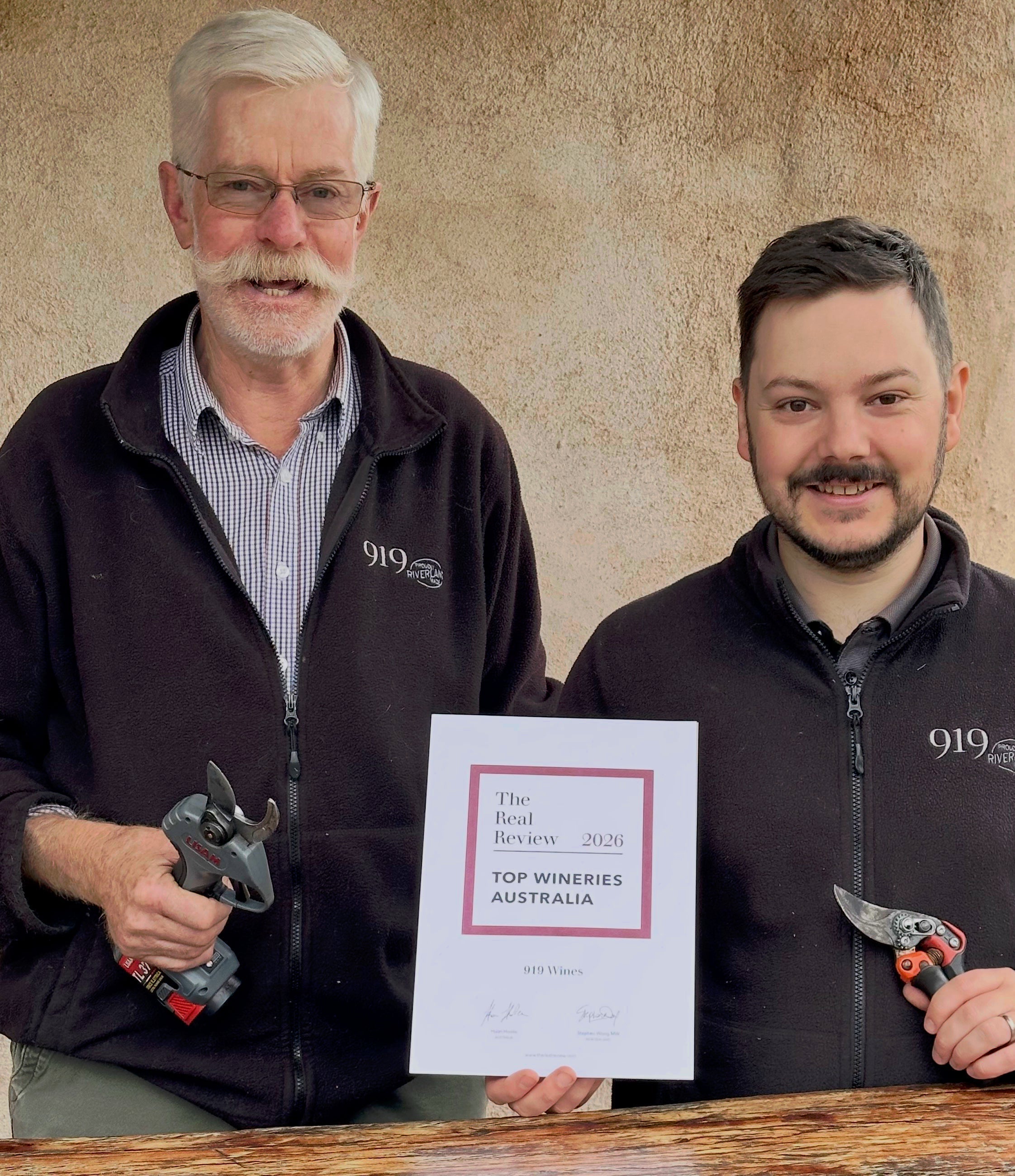
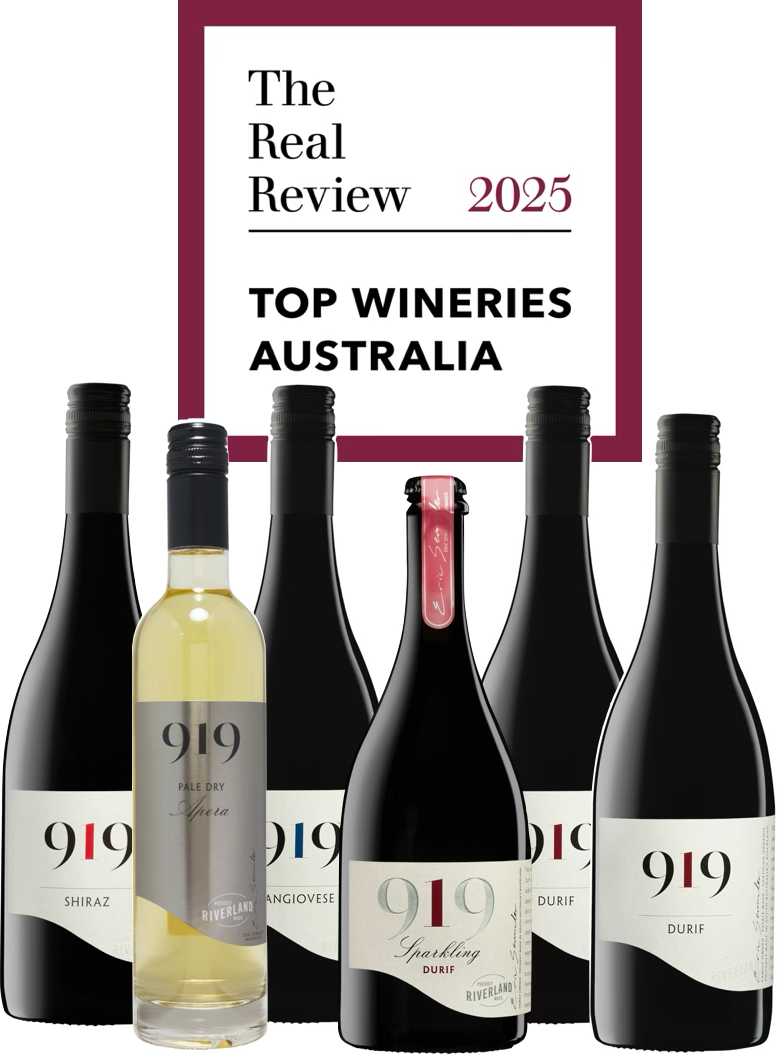
919 Wines listed as a top Australian winery!
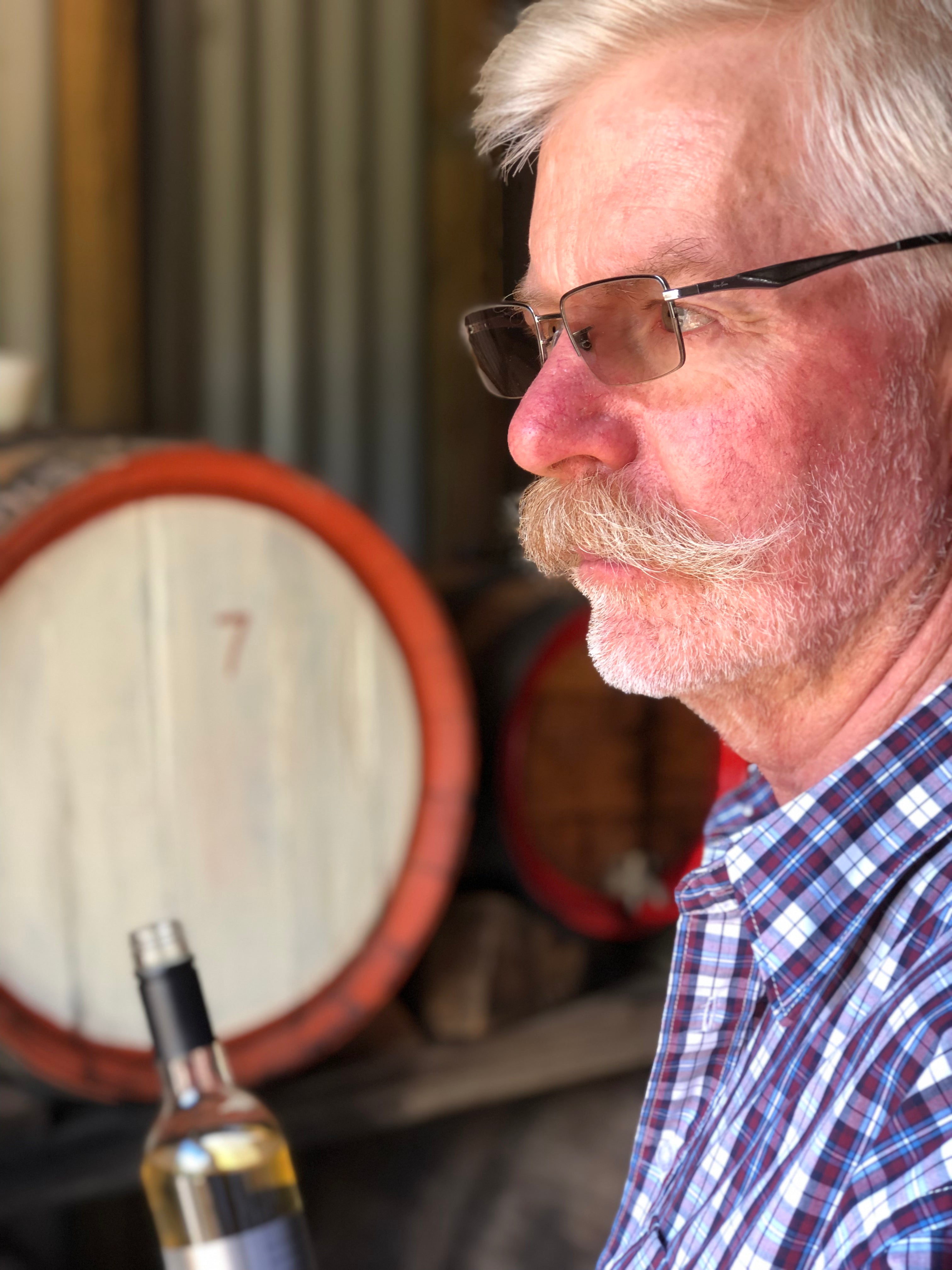
Fortified Wine of the Year 2022
Over the bar
Conversations from cellar door.
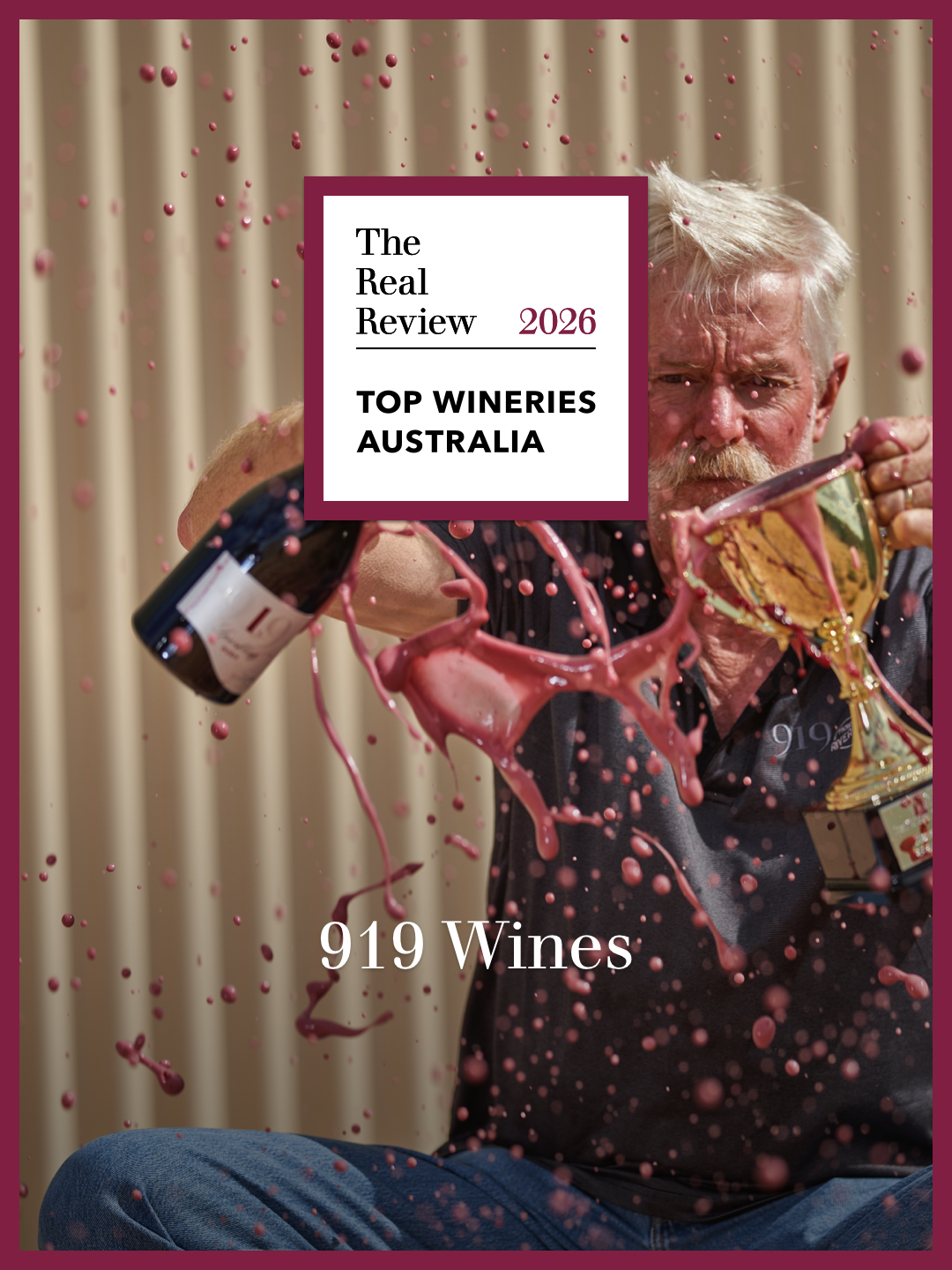
Raise a glass to the year: celebrate the milestones
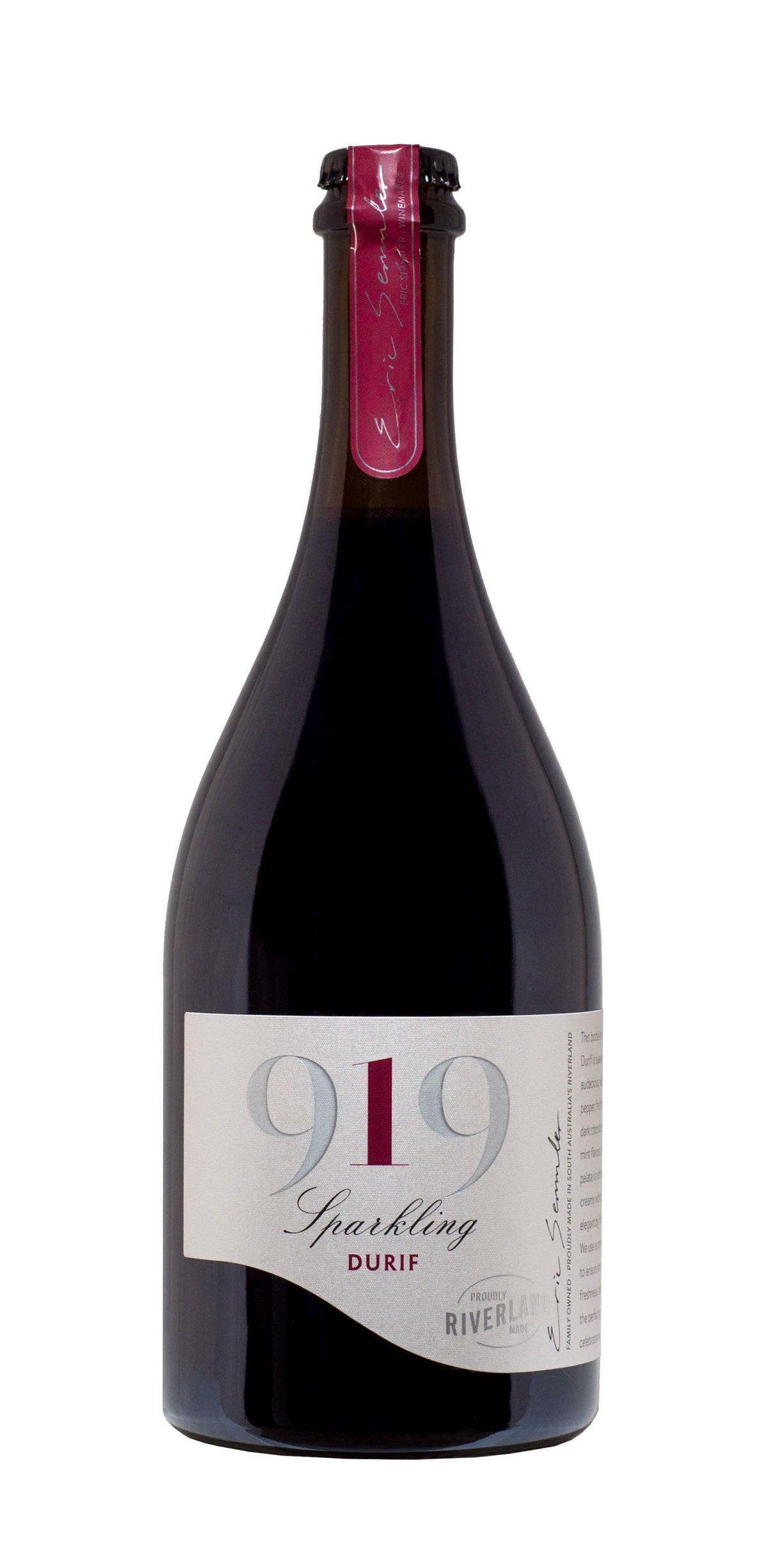
Pausing to celebrate helps us appreciate our progress, honour life’s meaningful moments and connect with the people who matter. From year-end milestones to weddings, birthdays and festive gatherings, 919 Sparkling Durif offers a memorable way to raise a glass.
Read moreabout Raise a glass to the year: celebrate the milestones

Out of adversity comes opportunity
Whilst devastating at the time, the loss of our premium fruit to frost has opened up a range of exciting opportunities.
Winemaking and viticulture
Our viticulture
We have two vineyards, one established by us in 2002 and the other purchased in 2010. We have always intended our vineyards to be sustainable, soi we have adopted low impact and organic farming practises to reduce our water consumption, improve our soil structure and fertility, and preserve or increase biodiversity within the vineyard.
To reduce water consumption we have planted varieties originating from the southern parts of Europe and Iberian Peninsula, which require less water, and apply water by drip irrigation. Some water is applied during spring to protect tender young buds from frost.
The Glossop vineyard was established to be pruned and harvested by hand. This reduces the total number of "passes" by heavy equipment, keeping the soil friable and preventing compaction. Hand pruning allows individual vines to be shaped to ensure good vine health and balance, resulting in reduced requirement for fungicide sprays, and optimal grape flavour at harvest. Hand harvest allows selection of individual bunches of grapes, an important quality assurance step in difficult seasons.
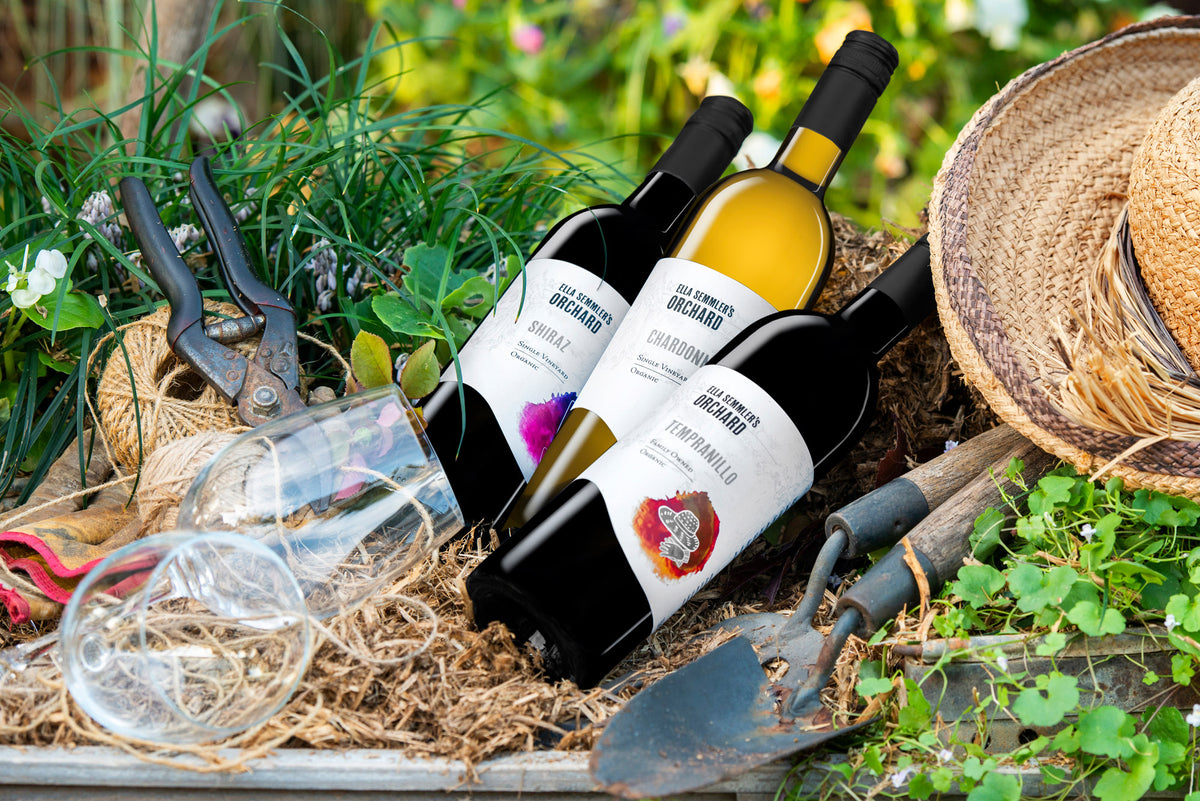
When we purchased our Loxton vineyard, it was set up for mechanical pruning and harvesting. This allows rapid pruning and harvesting of the larger vineyard area, and harvesting can be undertaken at night while it is cooler. Night-harvested fruit retains vibrant fresh and juicy flavours, which we highlight in our Ella Semmler's Orchard range of wines.
We have planted some specialist blocks at Loxton, converting them to hand pruning and harvesting similar to the Glossop vineyard. We use a similar spray programme of organic-approved sprays on both vineyards: copper and sulphur to prevent mildew, a controlled application of approved organic fertiliser and iron for soil health, and occasionally a clay sunscreen to reduce sun damage.
Our vineyard floors are protected by an annually planted cover crop, which is rotated through wheat, barley and rye corn, supplemented with field peas or lupins to increase soil nitrogen. A trial of planting native kangraoo and wallaby grasses has been very effective, with natural spread from the original site. Weed control can be tricky, with weed patches being hand hoed, slashed or cut. Cover crops are usually allowed to grow and then dry off and fall naturally, to provide a natural mat of vegetation to shade the soil. During the hottest weather this can reduce soil temperature by up to 20C. The undisturbed roots hold the soil, and important mechanism to prevent soil erosion.
We have planted revegetation blocks to local indigenous plants in an effort to restore and increase the natural biodiversity of the vineyard areas. We have been pleased to note regular visitations of the endangered Regent Parrot at both vineyards, however the increase in nearby almond orchards has allowed Australian Ravens to flourish, which has impacted our small bird population despite the provision of safe-harbour vegetation.
Our winemaking
Our winemaking techniques are gentle and thoughtful. White wines are crushed, then immediately pressed using a gentle basket press, and the juice is allowed to settle overnight. Clear wine is decanted from the grape solids and then fermented with temperature control to produce the wine. After fermentation is finished, the wine is allowed to clarify naturally, and the spent yeast lees are removed. We then deep chill the white wine to stabilise it before bottling. The resulting white wines are crisp and refreshing, with the grape variety contributing the major flavour components.
Our red wines are made using different processes depending on the style we want.
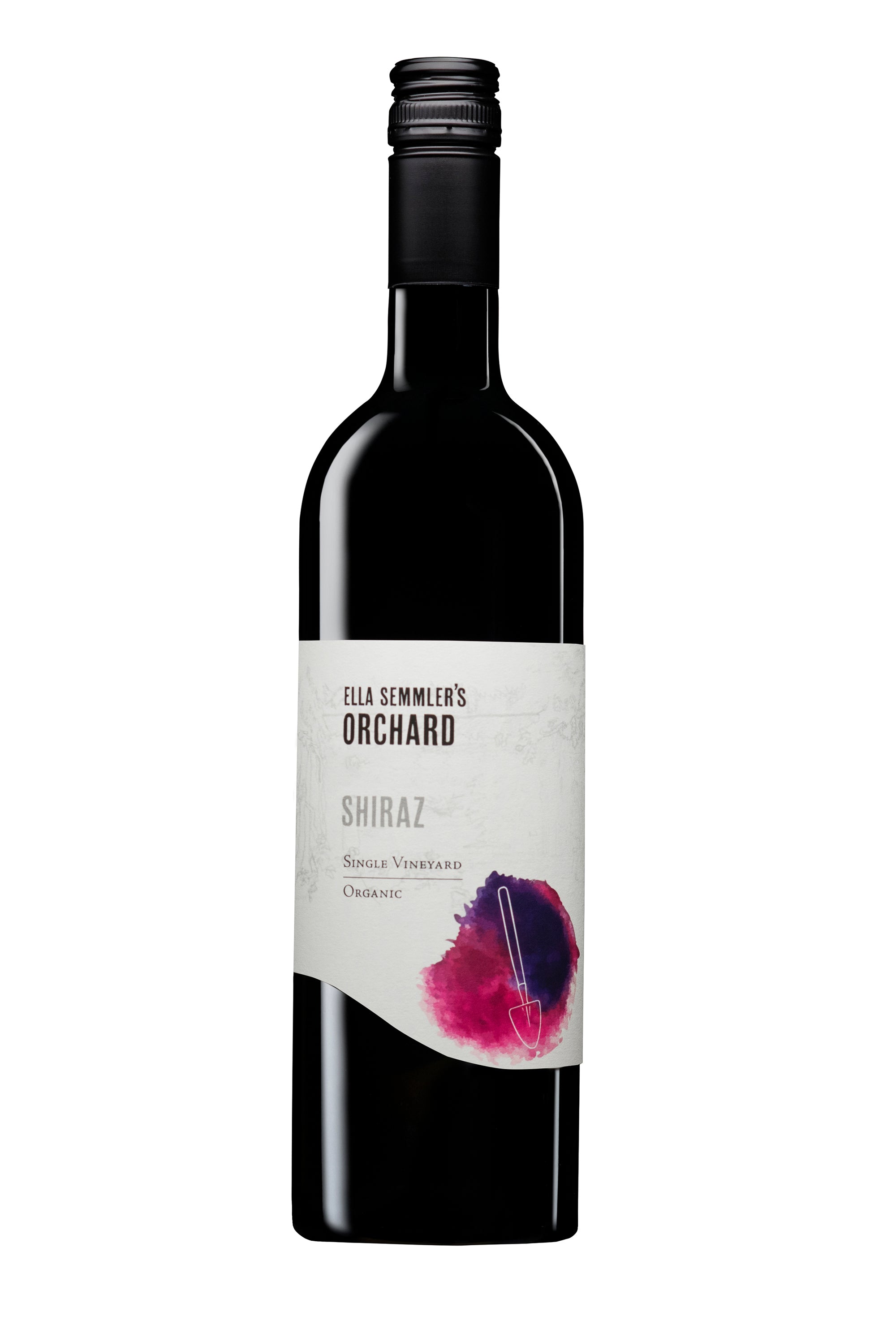
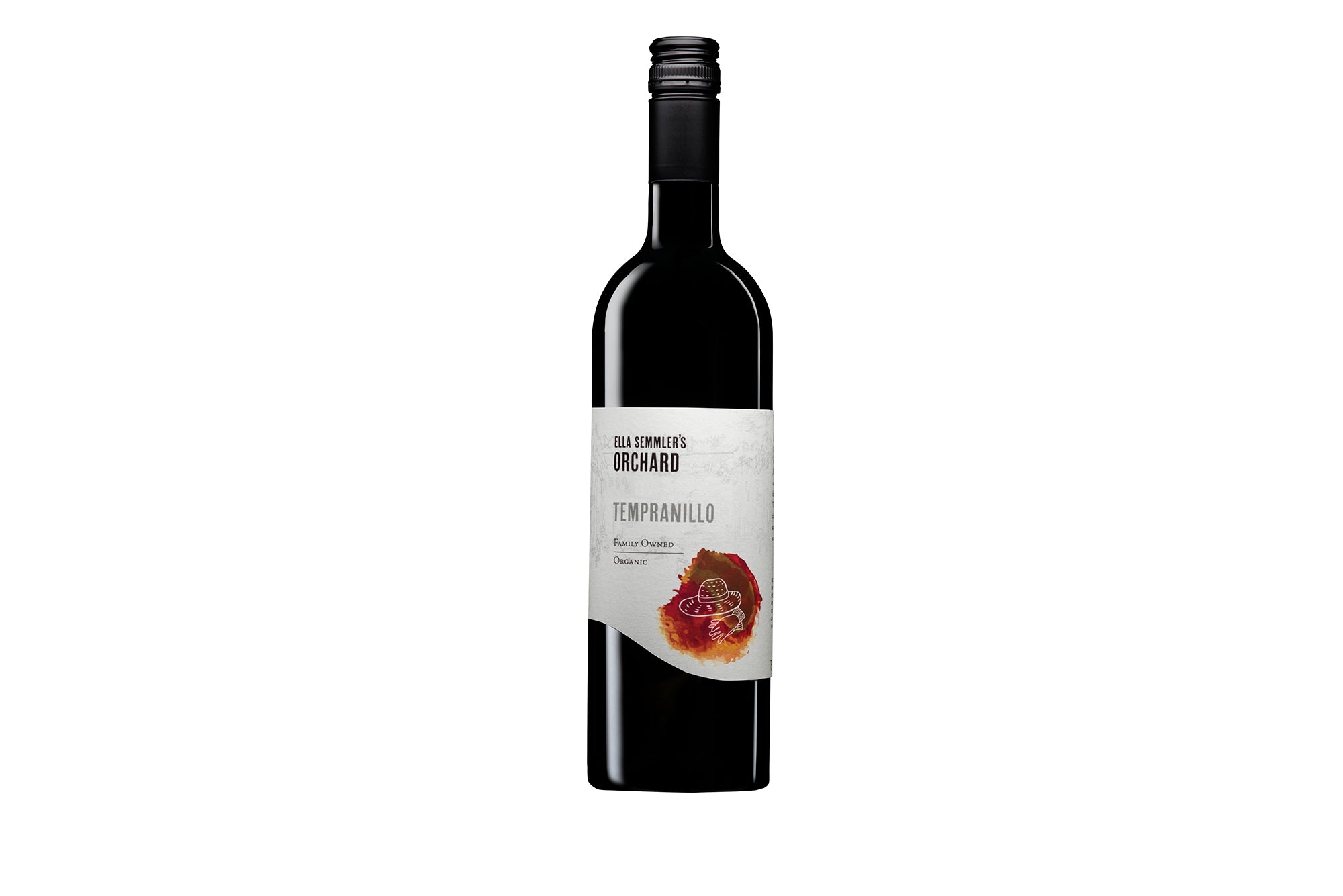
Our Ella Semmler's Orchard range is crushed to a fermenter. Oak chips may be added to give the wine some structure. When enough colour and flavour has been extracted, the wine is pressed in a gentle basket press and allowed to finish fermentation in a tank. After the wine has clarified naturally, the wine is adjusted ready to bottle. The Ella Semmler's Orchard range are very fresh and juicy, with the fruit dominating the flavours.
Our Reserve range is made more traditionally. The crushed grapes are fermented in a fermenter, then the wine is pressed to barrel and allowed to ferment out. The wine then undergoes a secondary fermentation - "malo-lactic fermentation" or MLF - which softens the wine by transforming the wine acids. We then remove the spent lees, adjust the wine, and allow it to mature in barrel. We use a mixture of new and old French and American barrels, selected according to the style of wine. For example, Durif always gets newer American oak, with perhaps some older American oak and French oak. This gives the wine complementary flavours and structure, starting to build an individual wine's flavour profile. The maturing wine is tasted at regular intervals to ensure that the oak continues to complement the wine, rather than dominating it and making it tough. The resulting wines are layered and complex with distinct varietal character supported by oak structure which assist aging but keep the palate youthful.
Our fortified wines are purposefully made - they are harvested and vinified for specific characteristics. For example, if our maturing stocks are requiring extra freshness, we may harvest a little earlier to balance out our blending options.
Our Apera is made by harvesting at lower ripeness, and making a dry base wine before fortifying with spirit. The fortified base is then introduced into our Solera which is a method of creating a stable multi-vintage blend. The base then undergoes a secondary process where a creamy yeast grows over the surface. This creamy yeast protects the wine from browning, leaving it fresh-looking even after many years, and imparts a characteristic sea-side, appley and slightly nutty aroma. When we need to bottle, the blend is adjusted to house style with newer or aged components, and adjusted before bottling. This is the most interesting style we make.
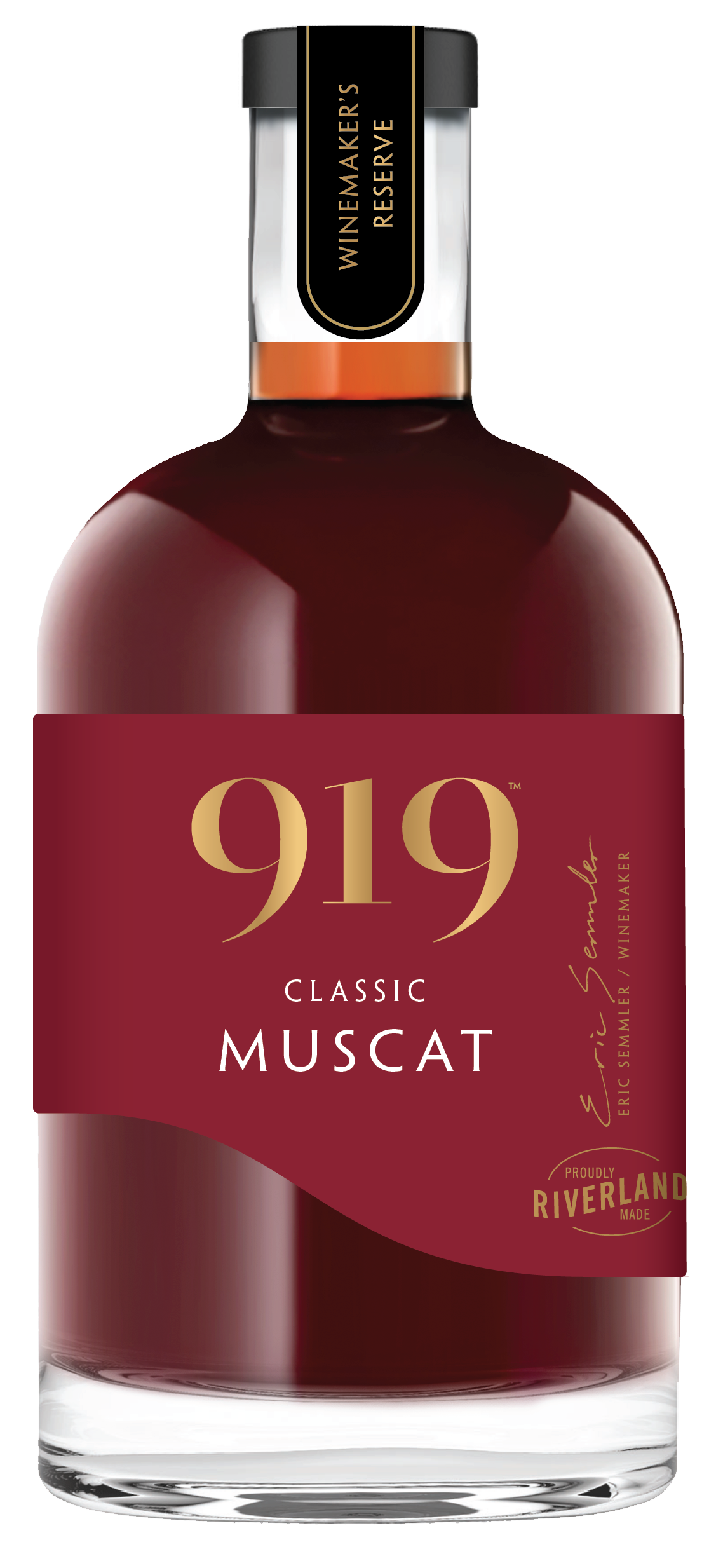
Our other fortified wines have a similar process. The wines are harvested according to whether we need to make sweeter or drier component - so when the grapes have the right level of sugar accumulation for our requirements. The grapes are crushed and fermented, but they are pressed off earlier than for table wines when only half the grape sugar has been consumed by the yeast. After pressing, the wine is fortified by the addition of spirit. This bumps up the alcohol to about 18%, and stops the yeast from fermenting any further, so the sugar is retained in the wine. The components are then "laid down" to mature for many years. When we need to bottle, the winemaker selects components from many years and blends them to the house style. The exception is for our Vintage Fortified style, where all the components come from a single year or "vintage".
Our commitment to sustainability
We know that all human activity has an impact on the environment, so we have striven to reduce this wherever possible by taking a holistic approach to growing grapes and making wine.
In our vineyard soil conservation and regeneration, water conservation and biodiversification are the foundations of our viticulture. We aim to minimise heavy machinery passes over the soil, the use of fossil fuels and the use of chemical sprays. All our inputs such as fungicides and fertilisers are approved for use under the national organic standards.
Our winery has been built using straw-bale building techniques to provide powerful insulation and reduce the reliance on electricity to heat and cool wine processes. Together with the installation of solar power generation and battery technology, the use of efficient equipment and manual processes, our electricity production out-strips our consumption for 80% of the year. Water consumption in the winery is minimised, with out-flow water used to irrigate vegetation, and winemaking waste such as skins and wine lees being composted for several years before spreading in the vineyard as nutrient mulch.
Bottling is a process with high energy inputs and multiple trade-offs against quality considerations. We have decided to continue using glass bottles so that our wine can have a longer shelf life. Soft packaging such as pouches, plastic bottles and bag-in-box are very light to transport, but use petro-chemicals as the foundations of the plastic components, may be a source of micro-plastics in the envirinment and also BPA in the plasticisers, and do not allow wine to age for many months or years. Bottles on the other hand use a lot of energy to manufacture and recycle, are bulky and heavy to transport, but allow wine maturation for many years and do not require expensive and energy hungry equipment on the bottling line. We have decided to continue to use bottles to ensure our wine can age without spoiling and to allow us to continue to use reduced preservative levels. Most of our grapes are harvested within 500m so our food miles are very low. To extrapolate this theme, we have changed the source of our bottles to South Australian produced light-weight bottles. These require less energy to produce and recycle and to freight. The weight of the bottle does not affect its performance on preserving wine quality, meaning there is no correlation between the perception of weight and the quality inside.
We believe that all employees should be treated with dignity and respect, and that they should benefit from their full entitlements. We do not deal with organisations where we are not confident they demonstrate similar values.
We have held Sustainable Winegrowing certification in the past, however are currently not certified as we voluntarily discontinued this. This does not mean our commitment to sustainability has weakened, rather it reflects our decisions to keep our core business financially sustainable as we prioritise our organic certification.